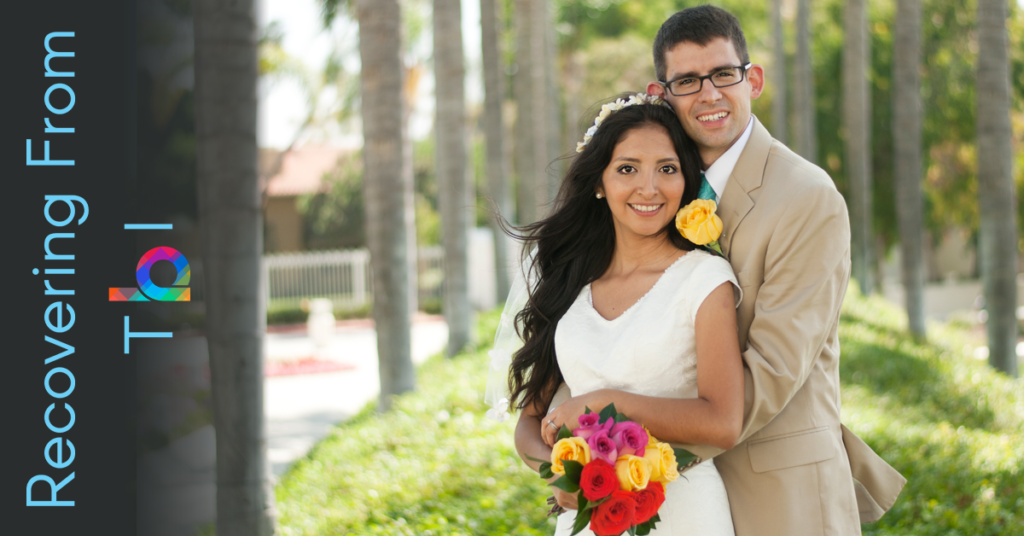
In the early days of my recovery, one of the concerns that occupied my mind was whether or not I would be able to get married after my traumatic brain injury.
Lifetime Goal
Since I was a kid, I had always seen myself getting married and having a family. I’ve always loved kids, and I was really looking forward to having my own.
An immediate effect of my injury was that I wasn’t able to perform my work responsibilities as I had before. I was making big mistakes at work, and the thing that kept looming in the back of my mind was this: Would I be able to provide for a wife and children?
I kept thinking about the task of dating and trying to convince someone to take me with all of the complications of my injury AND having to tell them that I couldn’t work, so they would have to.
At the time, I wasn’t seeing anyone, so it wasn’t like I had a girlfriend or a fiance that I might be able to move on with.
I kept resigning myself to the likelihood of remaining single.
Overtime, though, things slowly improved. I figured out how to work better (read that here). I found a doctor that knew what he was doing and really helped me (read that here).
Courtship
About 21 months after my injury, I met my future wife.
The short story of how we met is Facebook. The slightly longer version is that I knew her sister and brother-in-law for years before we met. I actually dated her brother-in-law’s sister for a little bit back in the day.
When my wife’s sister saw us chatting on Facebook (by sneakily looking over her shoulder), she encouraged her to go on a date with me.
Our first date was New Year’s Eve 2013. I proposed on Memorial Day weekend. And we got married the week after Labor Day.
If you’re thinking that’s fast, it is. However, quick courtships are normal for members of the Church of Jesus Christ of Latter-Day Saints (aka Mormons).
Funny side note, there’s a billboard along the freeway in Utah. It’s for a DIY site for homeowners to sell their homes. Here it is:

A running joke at the school is that you can start a semester single at BYU (Brigham Young University) and finish with a wedding date.
Usually within a few weeks after the end of the semester. That didn’t happen for me, but it happened to several of my friends.
And if you extend the time frame from a semester to a school year, most of my friends started the school year single in the fall and got married soon after their spring finals.
Anyway, back to my story.
Juanita and I mostly dated long distance as she was in Utah at BYU’s very good ESL program (my wife is from Peru and got a student visa to participate in BYU’s program), and I was in California working.
We saw each other once a month when I would buy a ticket for her to come to California.
As much as it sucked to be long distance, it was actually a huge blessing in regards to my brain injury.
It forced me to talk to her about it and explain it to her. And believe me, I did. I wanted to be 100% sure that she knew what she was getting into.
Getting Married
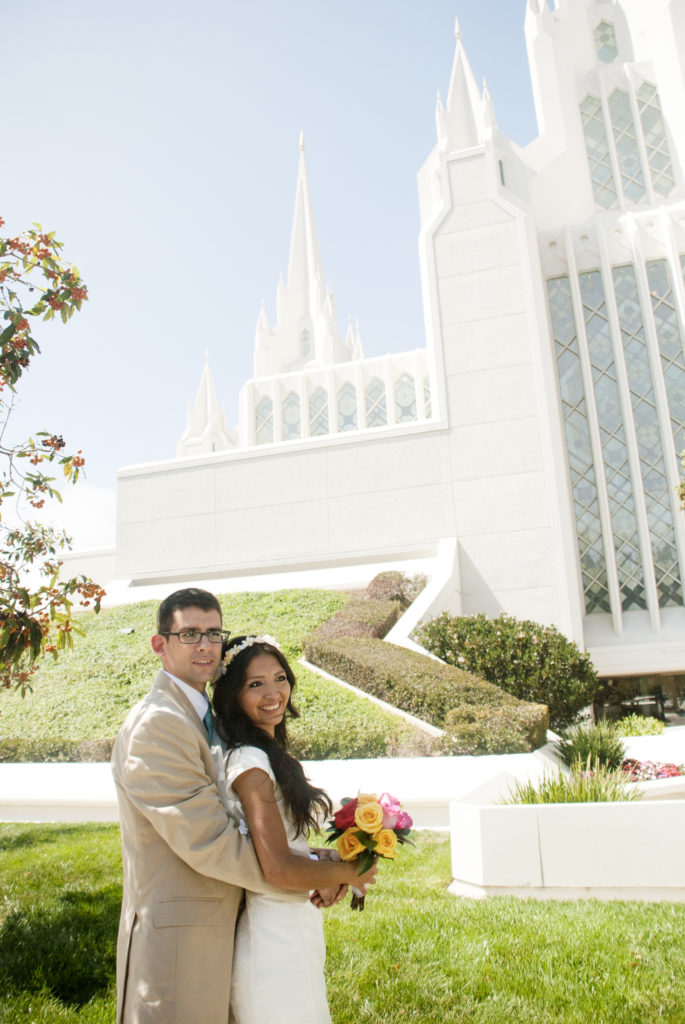
Sure, I had recovered my abilities to work, and I had ways to manage the other effects of my injury.
But that was mostly in a vacuum.
I had roommates, but we were all independent of each other. We kept the house clean and such.
But we didn’t have to negotiate life’s sensitive things like managing a budget, decide where to live, whose turn it was for which chore, a sex life, how many kids to have, or where to raise those kids.
Let me tell you, it was an eye opening experience to both of us once we were married and together and not 900 miles apart.
It wasn’t an “I married the wrong person” eye opening. If anything it was an “I married the right person” eye opening. But in a “I can’t believe she puts up with me” kind of way.
A lot of our tiffs and disagreements were just the result of two people learning to live together.
Some of them, though, were amplified by my brain injury.
Danger Zone
Evenings were our time to catch up and talk. They were also times to iron out the kinks in our newly budding marital relationship.
This is where we had most of our problems.
I’d be mentally tired after along day of work and my emotional threads were worn out. I didn’t have the patience or clarity to remain calm during a spirited discussion (if you catch my drift).
I had never been in that situation before, so I didn’t know what was going on.
Juanita hadn’t been in that situation, so she didn’t know what was going on, either.
It took a few months of frustration before I talked to a good friend at church, and they suggested that I was just tired. That person didn’t know much about my life with a brain injury.
It was incredibly reassuring to know that if non-brain-injured people argue with their spouse when they’re tired, I should definitely cut myself some slack.
My wife was incredibly forgiving when I suggested this to her (again, I definitely married the right one). We agreed to a cut off period at which point I could postpone a discussion if I was too tired. My wife could also postpone the discussion if she saw I was getting more irritated than normal.
Improving
Obviously that didn’t eliminate all disagreements, but it certainly dialed back the intensity. It also gave us both an escape from turning into something other than our best selves.
We just celebrated our fifth anniversary. We don’t do the cut off any more. We’ve learned how to communicate better, me in Spanish, and her in English, and we manage alright.
My injury shows up in other aspects of our relationship now.
The Move
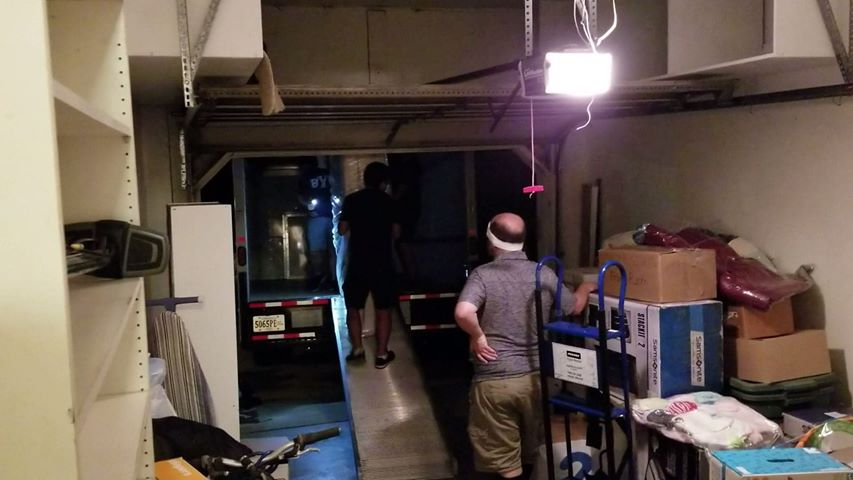
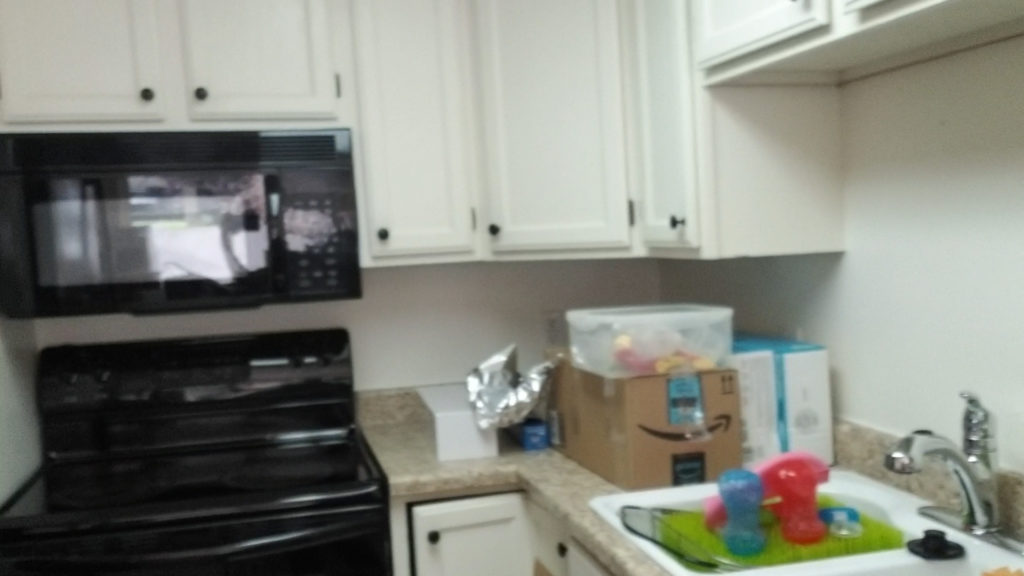
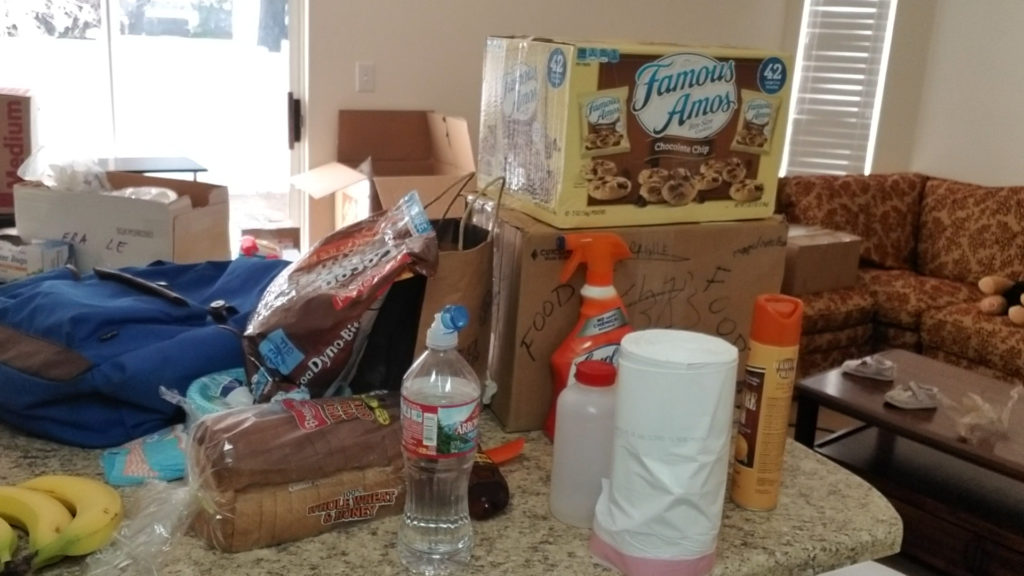
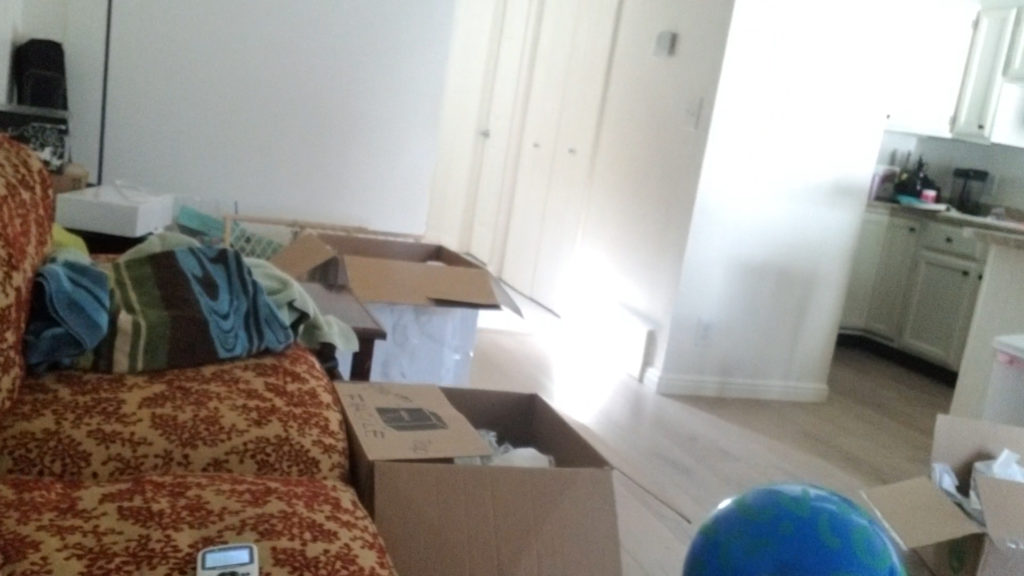
Last year we moved from California to Utah to be near family as we were expecting baby #2.
The move was a bit of a fiasco.
We left California much later in the day than expected and we got to Utah much later than expected.
The next morning I had to set up as much of the house as I could, because I went back to California for a few weeks to complete some items for my previous employer.
I had almost no sleep the morning after we arrived. The house was a mess. And our daughter was crying from being overtired.
It was too much, and I kind of had a meltdown. My brain wouldn’t speak Spanish anymore, and I had to get out of the house for a few minutes and take a nap.
My wife and I weren’t on the best terms when I left the house. It wasn’t until I was on the plane that my brain calmed down enough for me to realize what had happened.
I called my wife when I landed and apologized for everything. She understood and forgave me (again, I got a good one, right?)
Working at My Marriage after Traumatic Brain Injury
I know I’m really fortunate that my wife accepts me. I don’t know that she always gets it, but she’s at least willing to listen when I explain it. I think she sees how hard I’m trying and that helps her accept my apologies when I give them.
We’ve worked hard to identify my weak times and implement things that help us treat each other better.
Sometimes when I’m getting worked up about something, she’ll change her tone of voice and tell me that I’m tired and need some rest before we continue discussing it.
I’m fortunate that I can recognize she’s right and shut up.
Hope for Others
I hope my story doesn’t make anyone feel bad.
I want to let you know that it is possible to have a relationship with a brain injury.
It takes work and sacrifice and understanding and patience and forgiveness.
But that’s true of all loving relationships, not just brain-injured ones.
I also think that it takes a healthy amount of creativity and humor to make it work.
I don’t know how many times we’ve both laughed at my faulty memory, and even sometimes, my short temper.
We recently finished the holiday season when perhaps we miss connections with a significant other, spouse, or other loved one. If you fit that description, I hope you can be kind to yourself.
I hope that you can be the best “you” to yourself. Accept what others don’t, love what others won’t, and offer those same things to others.
Honoring and respecting ourselves is the first thing we need to do to attract someone who will do the same.
My wife’s an amazing person and puts up with a lot of my crap, TBI related and not.
Not all survivors can or want to have a relationship after their injury. If that’s you, I totally get that. There was a period in my recovery where I could not handle it.
But if you are at a point in your recovery where you want to find someone, I hope this can give you some ideas about how to navigate it and some hope that a brain injury survivor and spouse are figuring out how to make it work.

https://shorturl.fm/EJd9P