
The day I was taken to the hospital after my accident, I was assigned not only one great traumatic brain injury doctor, but two.
My accident
There were two impacts in the accident. The frontal impact fractured my skull at the right temple. Then I fell backwards and my head hit on the back left side, and that caused more bleeding.
A neurologist and a brain surgeon were keeping an eye on me and took multiple images over 3 days to monitor my cranial pressure. They were ready in case they needed to operate to relieve they pressure with a shunt or by removing a part of my skull.
Fortunately, the pressure stabilized, and by the third day it started going down. No operation was needed. After a week in the hospital, they let me go home.
I am extremely grateful to the two doctors who watched over me while I was in and out of consciousness (or maybe sleeping, I’m not sure which it was). They took great care of me during the immediate, acute affects of my TBI.
In those first months of my TBI journey, I expected that those doctors could provide the ongoing care I needed while I recovered.
1 month follow-up
I saw them both about one month after I left the hospital. As I wrote in a previous article they didn’t give me any warnings when I left the hospital of how a TBI could affect me. So I shared with both of them what I had been experiencing:
- Feeling an unusual amount of anger (pre TBI, I was a pretty calm person).
- I was having a hard time prioritizing tasks at work as well as problem solving.
- My short term memory was severely damaged.
- Visual and auditory memory were especially bad.
- I was having a hard time with visual processing.
- I noticed I couldn’t read as fast as I could before.
They each gave me the same answer: to be happy that they were my only side affects. They said I should have been dead or in a coma. They told me that there was nothing I could do, and I would have to be patient. The recovery process would be about two years. And whatever I got back by then would be all I got.
I now know that there were mixed truths in those statements. And probably the worst thing they told me was that there was nothing I could do and my recovery would plateau at two years.
My experience with uneducated (or misinformed) doctors is not unique. I see comments on several online groups from all over the world sharing frustration about doctors’ lack of understanding about TBIs.
There are doctors who do not believe their patients when they tell them there is something not working right. There are doctors who say that recovery stops at 2 years. And there are yet others who tell their patients that there is nothing they can do for them.
As frustrating as it can be to see a doctor like that, the good news is that there are many other doctors who are well versed in traumatic brain injury and are connected to a mountain of resources to improve recovery for the survivor and support for the caregiver and family.
I know how frustrating it can be to realize that your recovery has been delayed, because your doctor didn’t give you the tools you need. So here are 5 steps to help you find the best doctor for your traumatic brain injury.
I’m going to cover alot here, but don’t worry about writing it all down. I made a worksheet to help you out that you can download at the end of the article.
1. Look for traumatic brain injury doctors in your area
Here are some doctor registries by country to get you started:
- US: Brain Injury Association of American
- United Kingdom: Headway
- Canada: Provincial ABI (Aquired Brain Injury) Associations
- New Zealand: Brain Injury Support
- South Africa: Support Groups: Neuropsychology SA and Heads Up
- Australia: Brain Injury Centre
From there, you can dial down you your state/province.
Give them a call and see what doctors are on their list for your area.
A note for Australia and South Africa: Maybe it’s my lack of knowledge about your healthcare system, but I couldn’t find a good page for either country with a resource page of TBI doctors. What I did find focused on rehabilitation and counselors/therapists. You can try starting with them and see where they point you.
2. Make lists
Before we see a doctor all of us have probably thought about 5 or 6 things we want to ask and go over. Then when we are in our appointment, we forget all but one of them. That’s even more true when we have a TBI.
Some preparation can be really useful here. Starting a few weeks before the appointment, you can begin putting a list together of everything you want to discuss. You can do it digitally or with a pen & paper. My go to for lists is Evernote on my phone. I always have it with me and can add to the list wherever I am. But do whatever works for you. To get you started, here are some common effects from a TBI. It’s far from exhaustive.
- headaches
- dizziness
- loss of smell/taste
- difficulty sleeping
- memory loss
- mood swings
- personality changes
- complications with sight
- cognitive difficulties such as: logic, reasoning, problem solving, time management, prioritizing, etc.
- relationship troubles with spouse, children, parents, and others
- vocational concerns
Another helpful list is what you know about your injury.
- What part of the brain was it in?
- What did the doctors tell you about your injury? (skull fracture, swelling, bleeding, etc)
And finally, make a list of the treatments have you heard about for your type of injury, and what you want to know about them. If you’re not sure about this, that’s fine. Part of the reason for your appointment is to find out what options are out there.
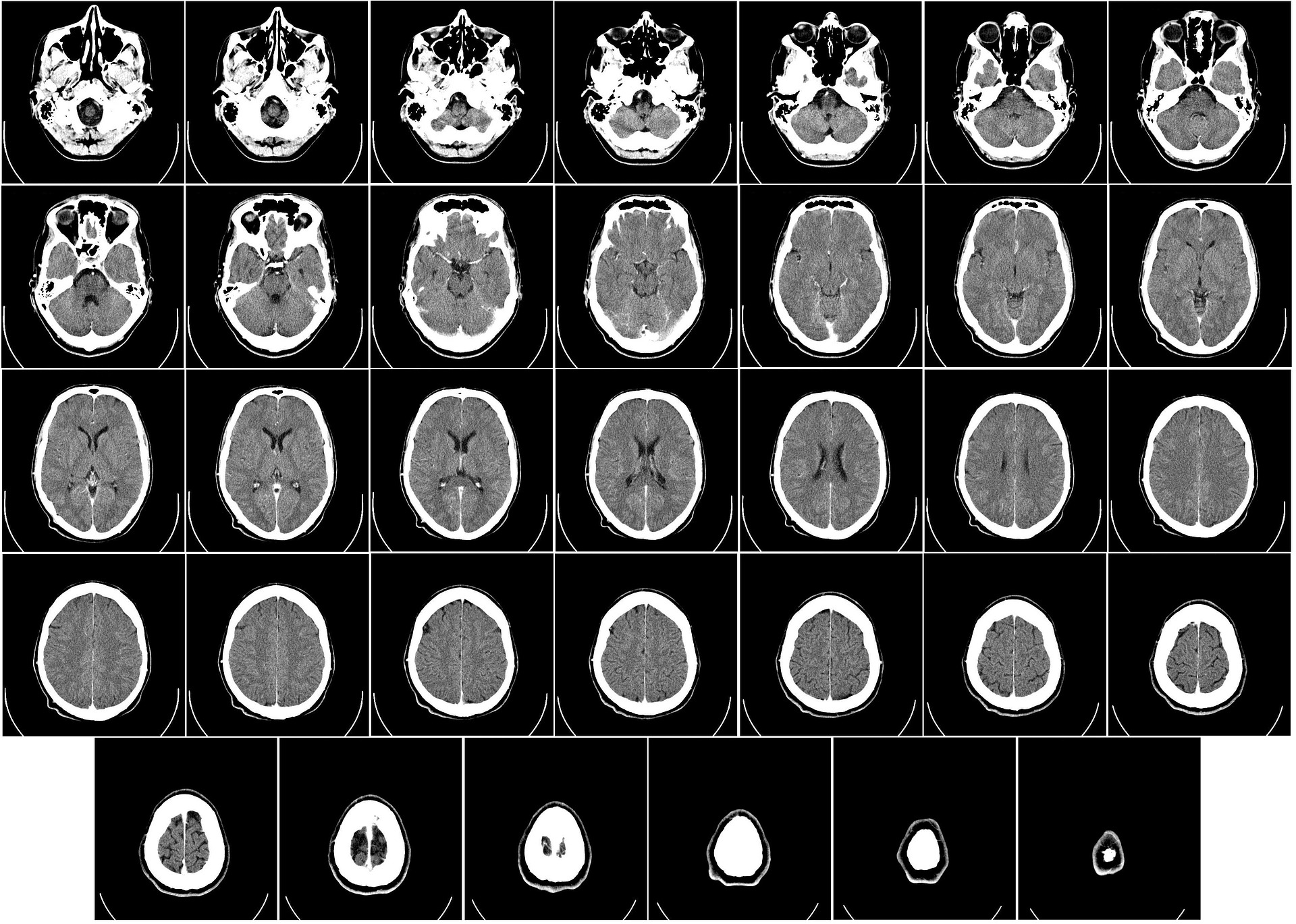
3. Gather your studies
Work with the hospital to gather copies of the studies (and their interpretation) done after your injury. This includes CT scans, MRIs, X-rays, etc. In the US, you can request these copies (usually for free) from the hospital’s imaging department.
As I recall you have to tell them that you are the patient to get them for free. If they give you any trouble, remember that the studies are yours, and you (or your insurance) paid for them. Ask to talk to a supervisor if necessary.
I have successfully obtained copies of imaging from two hospitalizations with this approach. If you are curious, one was for a dislocated shoulder, and the other was for my TBI.
This may differ from country to country based on the insurance system.
Taking the studies with you to your doctors appointment will give the doctor the tools to look immediately at what happened. You can accelerate their ability to help you.
4. Conduct a phone interview when you make the first appointment
When you call to make an appointment with the doctor, try to get an idea from the scheduler about what kind of patients the doctor typically sees. You can even ask for what percentage of the patients deal with traumatic brain injury.
Another option is to see what you can find online about the doctor. It’s becoming more and more popular for doctors to have internet pages highlighting their specialty, especially in more urban areas.

5. The first appointment
You’ve found possible doctors, made your list of questions, gathered your studies from the hospital, done the work to vet them out, and made an initial appointment. Now you’re sitting in front of him/her.
Pay attention to EVERYTHING. Here are some main things to watch out for.
- How is their office staff? – Are they kind? Peaceful? Do they treat you with respect, or do they herd you through like cattle? Make sure you jive with the way they do things. I can’t say how many times I have seen a comment from someone that a neurologist had an abrasive receptionist who triggered the TBI survivor’s anger.
- The doctor’s bedside manner – If they can’t be nice to you as a new patient, how will they treat you as a regular patient?
- How well do they listen to you? – If they keep cutting you off when you are explaining things, they’re probably not the best for you. TBI’s are complicated and each cause different effects. You want a doctor who understands how to treat a TBI, and the different options available. He should be a know-a-lot, but he isn’t a know-it-all about your injury. You are. The two of you need to work together.
- What kind of solutions or suggestions do they give? – Most of the time a doctor who says there is nothing they can do is showing that he’s not up to date on TBI research and options. TBI research, understanding, and healing modalities have come very far in the last 10 years. There is almost always something that you can do. Obviously, there is no guarantee of results, or the speed with which results will come, but there are options.
- Finally, and most surprisingly, one of the most common doctor-related comments I see in Facebook groups is that a person’s doctor doesn’t believe them. I can understand that from a GP who might not be well versed in TBI’s, but it’s not uncommon to see people say that about neurologists or therapists. If your doctor doesn’t believe you when you explain your symptoms, you should probably look for a new one.

The right traumatic brain injury doctor
My first 6 months post injury were filled with professional failures, suppressed anger, anxiety, and maybe even some depression. Looking back, I honestly don’t know how I kept it all together.
The news my first doctors had given me was frustrating: there was nothing they could do, and I had to wait and hope for the best. If anything their advise made me feel hopeless.
Then my mom heard about the Brain Injury Association of California from a friend of hers. My mom did some research on them and gave me the phone number. I called them and broke down in tears as I explained what I was going through. The woman on the other end was very supportive and gave me a list of 5 or 6 doctors in my area who specialized in TBI. One of them was close to me, and I made an appointment.
He was a godsend. He started me on a medication to help with the anger and anxiety.
Once those problems were managed, it gave me more mental and emotional bandwidth to be more even keel professionally.
In the same appointment, he set me up to see a psychiatrist for a neuropsych evaluation. The evaluation was grueling. But during the debrief a few weeks later, the psychiatrist used the results to give me a better picture of what worked, what didn’t, and how to play to my strengths while my brain recovered.
Two months after my first appointment with the doctor I had done a 180 and finally felt like I was making some progress in my recovery.
It is possible (but not always easy) to find good doctors to help with your TBI recovery. Do your homework, ask lots of questions, and be patient.
I know this is a lot to ask for TBI survivors when we are reeling from the grief of losing our old self and grappling with the challenges of our new self. I’m not blind to the fact that many of us are dealing with cognitive impairments which can make critical thinking difficult. But finding the right doctors to help you is a critical part of achieving your best outcomes in the short and long term. Talk to your caregiver or a close friend if you need help keeping track of everything.
I covered a lot of information here. If your post TBI memory is anything like mine, you’ll have a hard time remembering it all. So you can, download the checklist here for you to write everything down, work through, and then take with you to your appointment.
If this helped you out, or you know a survivor or caregiver who can use some help finding a good doctor, please share this article. If you have other tips to help evaluate doctors, leave them in the comments below.
It’s great that you are looking for information to advocate for your TBI. Good luck as you look for the best doctor to help you.
If you found this guide useful you can sign up here to get get ideas and support to help with your recovery from TBI. Starting tomorrow, you will receive my 4 part email series where I cover several techniques to help you (or your loved one) with the TBI recovery journey.

IT IS SO DIFFICULT TO FIND GOOD INFORMATION POST TBI I WAS LUCKY WENT TO A VERY GOOD HEAD INJURY REHABILITATION HOSPITAL AND THEN HEADWAY ENGLAND SUPPORT WORKER COMES EVERY WEEK AND HE IS BRILLIANT MORE PEOPLE NEED TO GET THE RIGHT KIND OF HELP THANK YOU SO MUCH FOR THE INFORMATION
Hi Heather!
I’m so glad that you got connected to the resources you needed. Did your doctor and hospital give you good information when you were first treated, or did you have to do some research after you went home?
I never or still don’t get any help with my brain injury. I seem to be getting annoyed at the doctors because the neurologist I have doesn’t seem to listen. Not long had appointment with him and he got really annoyed about a question I asked, daft thing is I can remember he got annoyed which is a usual thing but not what the question was to be like that. I’ve been struggling now for 20 years and not once I don’t think had any help, kicked out of the hospital and left to deal with it all on my own, and still do. Got to the point now I think that its getting harder and harder to cope and just can’t get any of the doctors to listen Because I find it hard to talk to them. Have it all sorted in my head the questions then it all goes, and be dealing with this for 20 years now. I need a doctor that will listen and help me, just can’t o it anymore.
Hi Michelle! Thanks for sharing your story. Finding the right doctors makes a HUGE difference. Many doctors (even many neurologists) don’t know the advances in medicine and understanding about TBI’s over the last 5 years. I hope the resources here can help you find someone who will listen to you.
The doctors I first saw in the hospital, were only helpful for the acute care (just to keep me alive). I expressed a bunch of frustrations in my follow up appointments 1 month after being discharged, and they said there was nothing I could do. Eventually I did find someone who knew what they were doing, and it made a huge difference.
Please hang in there. Don’t give up. Keep looking. There are doctors out there who can help.
My God! That reads so equal to my plight these last 7 years. Never getting the help I need and still trying to get some before my light in hope disappears this world for ever. Keep searching please, at least as best you can. I know your suffering. But keep fighting for some answers and solutions. May our Creator keep all who suffer in this life a peaceful life ever after.
Thanks for this great article. I’m in France and it’s hard to find any informations. Doctors said the same « patience & time ». But I’m actually 3 month post injury and still can’t work (I’m an acrobat & aerialist). It’s hard for me and for my family (specially for my husband and children) to mange my different symptoms and mood change.
Your article give me motivation and hope.
Hi Allegra. Thanks for taking the time to write. While things are improving in many countries, it is still difficult to find knowledgeable doctors in many parts of the world. It’s encouraging that you are seeking resources to improve your condition.
The challenges you describe your family going through are very common for families of brain injury survivors. I have some other articles that might be helpful for you and your husband:
I wish you the best with your recovery. And I wish you and your family the best while you navigate this road together.
Thank you you did a marvelous and fantastic job for people like all sorts I am a caregiver from my 21-year-old adult son and there is nothing more I can say but God bless and stay safe and stay dangerous and stay true thank you for this remarkable page you have created it is so useful and so rewarding in so many levels thanks again